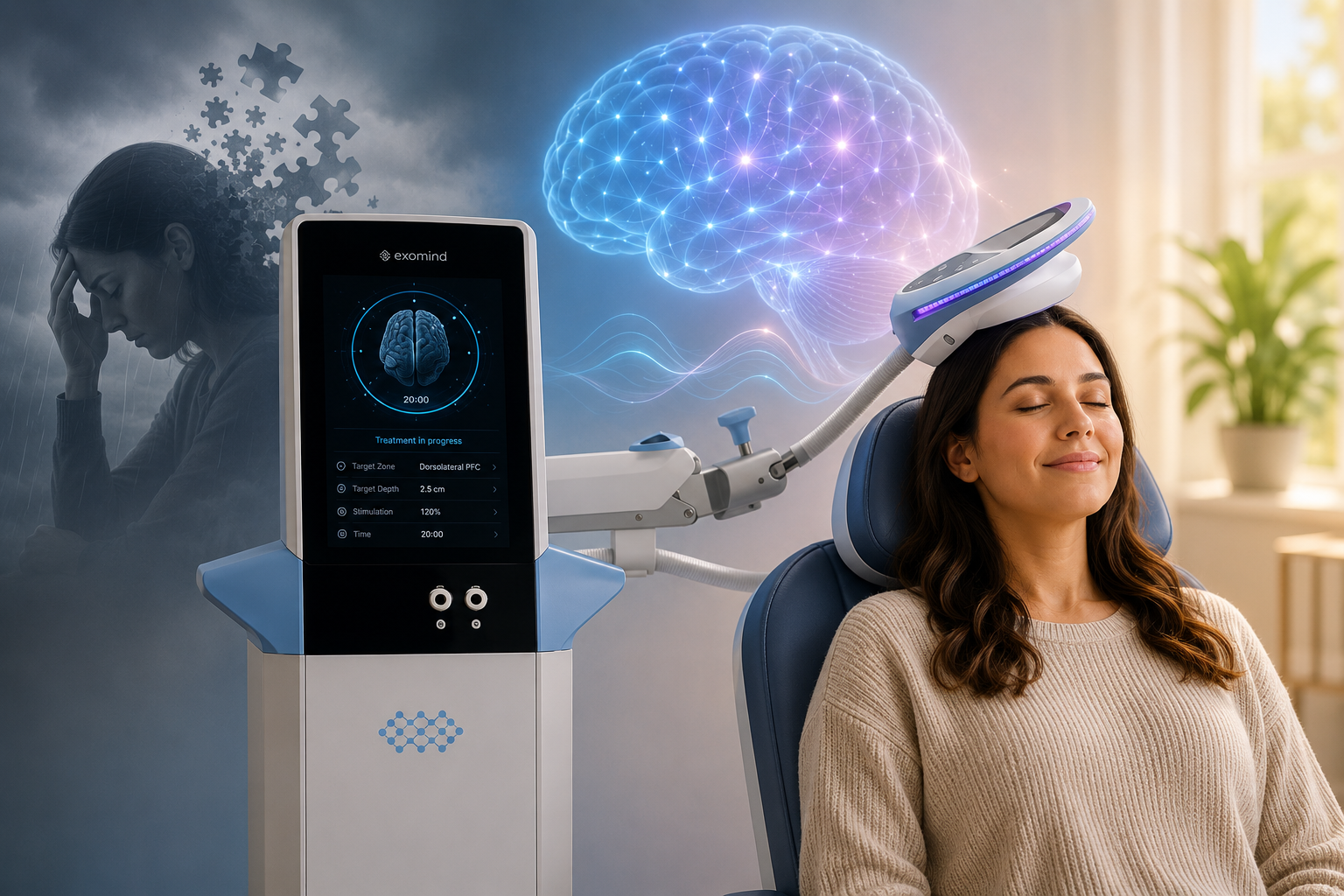
Life is filled with challenges, unexpected changes, and daily stressors. While we cannot always control what happens around us, we can strengthen our ability to adapt, recover, and move forward. This ability is known as emotional resilience.
Emotional resilience plays a critical role in how we respond to stress, overcome setbacks, maintain healthy relationships, and pursue personal and professional goals. What many people don’t realize is that emotional resilience is closely connected to brain wellness.
As neuroscience continues to advance, researchers are learning more about the relationship between brain health, cognitive function, emotional regulation, and resilience. Supporting brain wellness may help individuals develop stronger coping skills, improve mental clarity, and better navigate life’s challenges.
At Brain Tune TMS in Rancho Mirage, CA, we believe that optimizing brain health is an important part of achieving long-term emotional well-being and overall quality of life.
What Is Emotional Resilience?
Emotional resilience refers to the ability to adapt to difficult situations, manage stress effectively, and recover from adversity.
Being resilient does not mean avoiding stress or never experiencing emotional difficulties. Instead, resilience involves responding to challenges in healthy and productive ways.
Emotionally resilient individuals often:
- Adapt more easily to change
- Recover more quickly from setbacks
- Maintain perspective during stressful situations
- Regulate emotions effectively
- Stay focused on long-term goals
- Build healthy relationships
- Manage uncertainty with greater confidence
Resilience is not something people are simply born with—it can be developed and strengthened over time.
What Is Brain Wellness?
Brain wellness refers to the overall health and functioning of the brain.
Just as physical wellness involves maintaining healthy muscles, bones, and organs, brain wellness focuses on supporting optimal cognitive and neurological function.
Brain wellness includes:
- Mental clarity
- Focus and concentration
- Emotional regulation
- Memory
- Learning capacity
- Cognitive flexibility
- Stress management
- Decision-making abilities
A healthy brain provides the foundation for emotional resilience, productivity, and overall well-being.
Why the Brain Plays a Critical Role in Emotional Resilience
The brain is responsible for processing emotions, interpreting experiences, and determining how we respond to stress.
Several key brain regions contribute to resilience and emotional regulation.
The Prefrontal Cortex
The prefrontal cortex is responsible for:
- Decision-making
- Planning
- Self-control
- Emotional regulation
- Problem-solving
A well-functioning prefrontal cortex helps individuals think clearly during stressful situations and make thoughtful decisions rather than reacting impulsively.
The Amygdala
The amygdala plays a central role in:
- Emotional processing
- Fear responses
- Threat detection
- Stress reactions
When the amygdala becomes overactive, individuals may feel overwhelmed, anxious, or emotionally reactive.
Healthy brain function helps maintain balance between emotional responses and rational thinking.
Neural Networks and Resilience
Resilience depends on effective communication between multiple brain regions.
Strong neural connections allow individuals to:
- Process emotions more effectively
- Recover from setbacks
- Adapt to changing circumstances
- Maintain focus during stressful situations
Supporting healthy neural communication is one reason why brain wellness has become a growing area of interest in modern healthcare and wellness.
How Stress Affects Brain Health
Stress is a normal part of life. However, chronic stress can affect brain function and emotional well-being.
Prolonged stress may contribute to:
- Mental fatigue
- Difficulty concentrating
- Emotional overwhelm
- Reduced productivity
- Poor sleep quality
- Irritability
- Decreased motivation
Over time, unmanaged stress can interfere with the brain’s ability to regulate emotions effectively.
This is why building resilience is not simply about mindset—it also involves supporting overall brain health.
The Science of Neuroplasticity and Resilience
One of the most exciting discoveries in neuroscience is the concept of neuroplasticity.
Neuroplasticity refers to the brain’s ability to:
- Form new neural connections
- Adapt to experiences
- Learn new skills
- Recover from challenges
- Strengthen cognitive functions
For many years, scientists believed the brain became relatively fixed after adulthood. Today, research shows that the brain remains adaptable throughout life.
This means resilience can be developed.
Healthy habits and brain wellness strategies may help strengthen the neural pathways associated with emotional regulation and stress management.
Signs Your Brain Wellness May Need Attention
Many people focus on physical symptoms while overlooking signs that their brain may need support.
Common indicators include:
Frequent Mental Fatigue
Feeling mentally exhausted despite adequate rest.
Difficulty Concentrating
Struggling to maintain focus during work or daily activities.
Increased Stress Reactivity
Feeling overwhelmed by situations that previously felt manageable.
Emotional Ups and Downs
Experiencing greater difficulty regulating emotions.
Reduced Motivation
Finding it harder to stay engaged and productive.
Persistent Brain Fog
Feeling mentally sluggish or less sharp than usual.
Recognizing these signs early may help individuals take proactive steps toward supporting brain health.
Strategies to Improve Brain Wellness and Emotional Resilience
Building resilience involves consistent habits that support both the mind and brain.
Prioritize Quality Sleep
Sleep plays a crucial role in:
- Memory consolidation
- Emotional regulation
- Cognitive performance
- Stress recovery
Adults should aim for consistent, high-quality sleep whenever possible.
Stay Physically Active
Exercise supports both physical and mental health.
Regular movement may contribute to:
- Improved mood
- Better cognitive performance
- Reduced stress levels
- Increased resilience
Even moderate daily activity can have significant benefits.
Practice Mindfulness
Mindfulness techniques help individuals become more aware of their thoughts and emotions.
Examples include:
- Meditation
- Deep breathing exercises
- Guided relaxation
- Mindful walking
These practices may help improve emotional regulation and stress management.
Maintain Social Connections
Strong social relationships contribute to emotional resilience.
Supportive relationships provide:
- Encouragement
- Perspective
- Emotional support
- A sense of belonging
Healthy social connections remain one of the most important resilience factors.
Challenge Your Brain
Mental stimulation helps support cognitive function and neuroplasticity.
Activities may include:
- Reading
- Learning new skills
- Puzzles
- Creative hobbies
- Professional development
Continuous learning helps keep the brain engaged and adaptable.
The Emerging Role of Brain Wellness Technologies
As understanding of brain health continues to evolve, innovative technologies are becoming part of broader wellness strategies.
Treatments such as Exomind are designed to support:
- Mental clarity
- Focus
- Emotional wellness
- Cognitive performance
- Stress resilience
These non-invasive approaches are increasingly attracting individuals who want to proactively support their brain health and overall well-being.
While not a replacement for healthy lifestyle habits, brain wellness technologies may complement a comprehensive approach to mental wellness.
Why Brain Wellness Matters for Rancho Mirage Residents
Rancho Mirage is home to individuals who value healthy living, active lifestyles, and preventive wellness.
Just as people invest in:
- Physical fitness
- Nutrition
- Preventive healthcare
- Longevity strategies
Many are now recognizing the importance of investing in brain health as well.
A healthy brain supports every aspect of life—from relationships and career performance to emotional well-being and personal fulfillment.
Building emotional resilience starts with supporting the organ responsible for managing thoughts, emotions, and decision-making: the brain.
How Brain Tune TMS Supports Brain Wellness
At Brain Tune TMS in Rancho Mirage, CA, we are committed to helping individuals explore innovative ways to support brain health and emotional well-being.
Our team focuses on personalized care and evidence-informed solutions designed to help patients optimize mental performance, improve resilience, and support long-term wellness goals.
Whether you’re looking to improve focus, strengthen stress resilience, or enhance overall cognitive wellness, understanding your brain health is the first step.
Frequently Asked Questions
What is emotional resilience?
Emotional resilience is the ability to adapt to stress, recover from setbacks, and maintain emotional balance during challenging situations.
Can resilience be improved?
Yes. Research shows that resilience can be developed through healthy habits, stress-management strategies, supportive relationships, and practices that support brain wellness.
How does brain health affect emotional well-being?
The brain regulates emotions, decision-making, stress responses, and cognitive function. Supporting brain health can contribute to better emotional regulation and resilience.
What is neuroplasticity?
Neuroplasticity is the brain’s ability to adapt, reorganize, and form new neural connections throughout life.
Can chronic stress affect brain function?
Yes. Long-term stress may contribute to mental fatigue, difficulty concentrating, emotional overwhelm, and reduced cognitive performance.
What are some ways to improve brain wellness?
Strategies include quality sleep, regular exercise, mindfulness practices, social connection, cognitive stimulation, and exploring evidence-informed brain wellness treatments.
Why is brain wellness important?
Brain wellness influences focus, emotional regulation, memory, productivity, resilience, and overall quality of life.
Strengthen Your Brain Health and Emotional Resilience
Your ability to manage stress, stay focused, and navigate life’s challenges begins with a healthy brain.
At Brain Tune TMS in Rancho Mirage, CA, we help individuals explore innovative approaches to brain wellness and cognitive optimization.
If you’re interested in learning more about brain health, emotional resilience, and advanced wellness technologies like Exomind, schedule a consultation with our team today.
Invest in your brain. Build resilience. Thrive with confidence.