As awareness of brain health and mental wellness continues to grow, innovative treatments like Exomind and traditional Transcranial Magnetic Stimulation (TMS) are attracting attention. While both therapies utilize magnetic stimulation technology, they serve different purposes and are designed to support different patient goals.
If you’re exploring advanced, non-invasive brain wellness treatments in Rancho Mirage, CA, understanding the distinction between Exomind and traditional TMS can help you make an informed decision.
At Brain Tune TMS, we believe education is the first step toward optimizing mental wellness, cognitive performance, and overall quality of life.
What Is Traditional TMS?
Traditional Transcranial Magnetic Stimulation (TMS) is an FDA-cleared treatment primarily used for individuals experiencing treatment-resistant depression and certain other mental health conditions.
The treatment uses targeted magnetic pulses to stimulate specific areas of the brain associated with mood regulation.
Traditional TMS is commonly used for:
- Major depressive disorder
- Obsessive-compulsive disorder (OCD)
- Smoking cessation
- Certain anxiety-related conditions
- Depression symptoms that have not improved with medication
The primary goal of traditional TMS is clinical symptom improvement for diagnosed mental health conditions.
What Is Exomind?
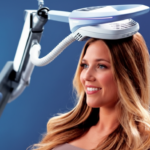
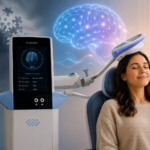
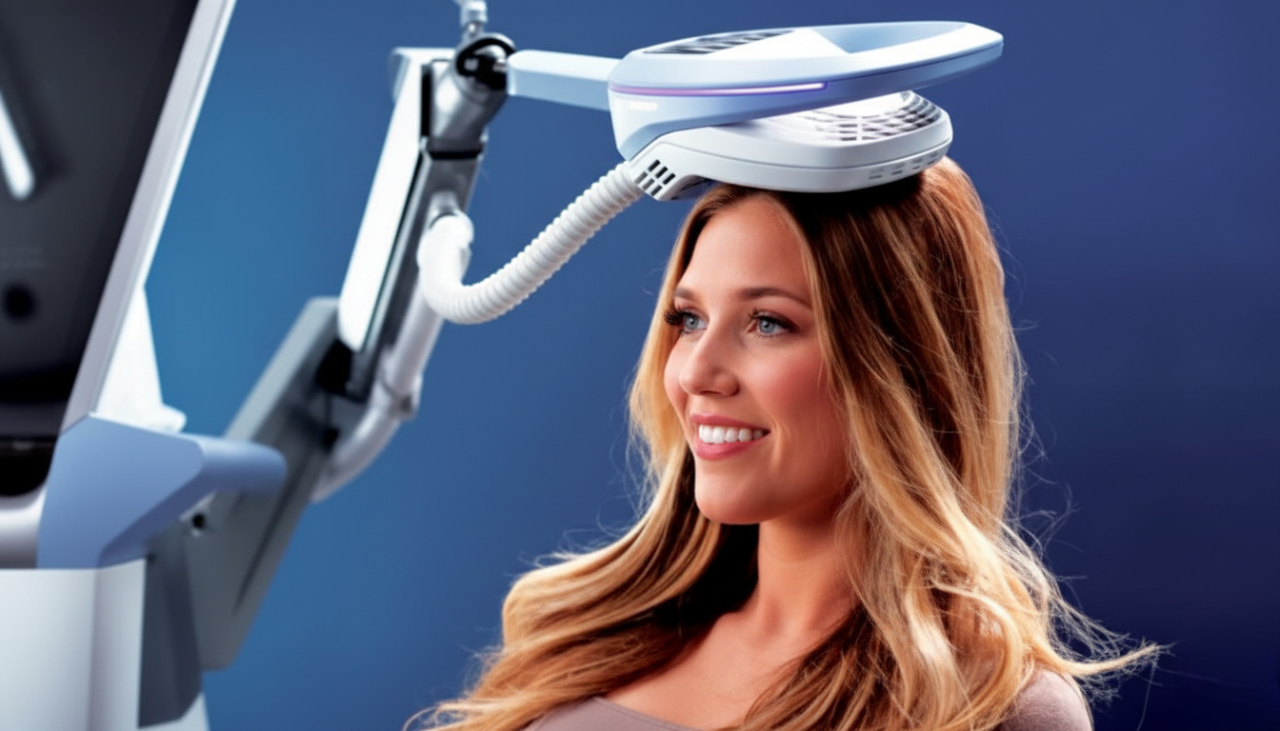
Exomind is a newer wellness-focused brain stimulation treatment designed to support cognitive performance, mental clarity, emotional resilience, and overall brain optimization.
Rather than focusing solely on clinical mental health diagnoses, Exomind is often sought by individuals looking to improve how they feel, think, focus, and perform in daily life.
Exomind may help support:
- Mental clarity
- Focus and concentration
- Stress management
- Emotional resilience
- Cognitive performance
- Motivation and productivity
- Overall mental wellness
Many people view Exomind as part of a proactive wellness strategy rather than a treatment exclusively for diagnosed mental health conditions.
How Do Exomind and Traditional TMS Work?
Both technologies utilize magnetic stimulation to activate targeted regions of the brain.
The magnetic pulses encourage neural activity and support neuroplasticity—the brain’s ability to form and strengthen neural connections.
Similarities
Both treatments are:
- Non-invasive
- Drug-free
- Performed in-office
- Comfortable for most patients
- Designed to stimulate brain activity
- Associated with minimal downtime
However, the intended outcomes and treatment goals differ significantly.
Exomind vs Traditional TMS: Side-by-Side Comparison
| Feature | Exomind | Traditional TMS |
|---|---|---|
| Primary Purpose | Brain wellness and optimization | Clinical mental health treatment |
| Focus | Performance, resilience, focus | Depression and other diagnosed conditions |
| FDA-Cleared Mental Health Treatment | No | Yes |
| Drug-Free | Yes | Yes |
| Non-Invasive | Yes | Yes |
| Cognitive Enhancement Goals | Common | Secondary |
| Wellness-Oriented | Yes | Limited |
| Emotional Resilience Support | Yes | Indirectly |
Who May Benefit from Exomind?
Exomind may be appealing to individuals who:
- Experience chronic stress
- Feel mentally fatigued
- Struggle with focus and concentration
- Want to improve cognitive performance
- Seek a proactive wellness solution
- Prefer non-pharmaceutical approaches
- Want to optimize overall brain function
Professionals, entrepreneurs, executives, students, and high-performing individuals often seek wellness-focused brain optimization treatments to support their daily performance.
Who May Benefit from Traditional TMS?
Traditional TMS may be appropriate for individuals who:
- Have been diagnosed with depression
- Have not responded adequately to medication
- Prefer a non-drug treatment option
- Experience medication side effects
- Require a clinically focused mental health intervention
A qualified provider can determine whether traditional TMS may be appropriate based on a patient’s medical history and symptoms.
Understanding Neuroplasticity: The Shared Foundation
One reason both Exomind and traditional TMS have generated interest is their relationship to neuroplasticity.
Neuroplasticity refers to the brain’s ability to adapt, reorganize, and form new neural pathways throughout life.
When neural pathways become stronger and more efficient, individuals may experience improvements in mood regulation, cognitive performance, mental clarity, and emotional resilience.
Supporting healthy neuroplasticity is one of the primary goals behind modern brain stimulation technologies.
Why Rancho Mirage Residents Are Exploring Brain Wellness Treatments
Rancho Mirage residents are increasingly prioritizing wellness strategies that go beyond traditional healthcare approaches.
Just as people invest in physical fitness, nutrition, and preventative care, many are now exploring treatments that support:
- Mental performance
- Stress resilience
- Emotional wellness
- Cognitive health
- Long-term brain function
Brain wellness is becoming an important component of overall health optimization.
Choosing the Right Option
The right treatment depends on your goals.
If your primary objective is addressing a diagnosed mental health condition such as depression, traditional TMS may be recommended.
If your goal is enhancing focus, improving resilience, reducing mental fatigue, and supporting overall brain wellness, Exomind may be worth exploring.
A consultation with an experienced provider can help determine the most appropriate approach for your needs.
Why Choose Brain Tune TMS in Rancho Mirage, CA?
At Brain Tune TMS, we are committed to helping individuals achieve better brain health through innovative, evidence-informed treatment options.
Our team takes a personalized approach to understanding your goals and creating a plan that supports your mental wellness journey.
Whether you’re seeking clinical TMS therapy or exploring advanced wellness technologies like Exomind, we’re here to help you make informed decisions about your brain health.
Frequently Asked Questions
Is Exomind the same as traditional TMS?
No. While both use magnetic stimulation technology, traditional TMS is primarily designed to treat diagnosed mental health conditions, whereas Exomind focuses on brain wellness, cognitive performance, and emotional resilience.
Is Exomind FDA-cleared for depression?
Traditional TMS has FDA clearances for certain mental health conditions. Exomind is generally positioned as a wellness-focused treatment rather than a clinical depression treatment.
Does Exomind involve medication?
No. Exomind is a completely non-invasive and drug-free treatment.
How long does an Exomind session take?
Treatment times can vary depending on the protocol and provider recommendations.
Is there downtime after Exomind?
Most individuals can return to their normal daily activities immediately following treatment.
Can Exomind help with stress?
Many individuals pursue Exomind as part of a broader wellness strategy to support stress management, emotional resilience, and mental clarity.
Is Exomind painful?
Most patients report that treatment is comfortable and well-tolerated.
Optimize Your Brain Wellness at Brain Tune TMS
Whether you’re interested in traditional TMS therapy or exploring Exomind for cognitive wellness and emotional resilience, our team is here to help.
Schedule a consultation with Brain Tune TMS in Rancho Mirage, CA, and discover how advanced brain stimulation technologies may support your mental performance, focus, and overall well-being.
Take the first step toward a healthier, more resilient mind today.