When you’ve tried multiple antidepressants, adjusted dosages, committed to therapy, and still feel stuck in the fog of depression, it can be incredibly discouraging. For many individuals living with treatment-resistant depression (TRD), hope starts to feel distant.
But there’s good news. Transcranial Magnetic Stimulation (TMS) has emerged as a powerful, evidence-based option for people who haven’t found relief through traditional treatments.
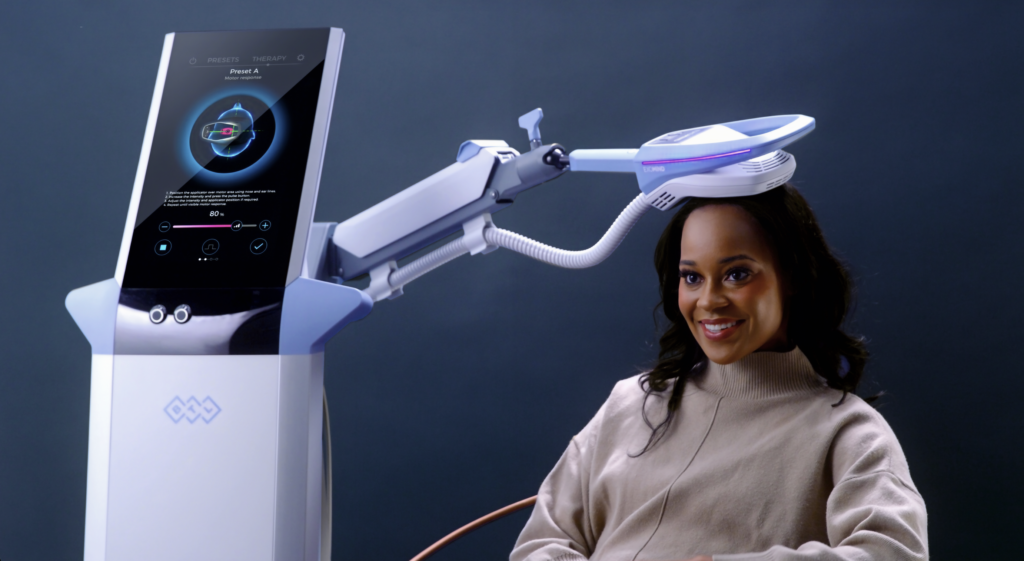
At BrainTune TMS in Rancho Mirage, CA, patients now have access to advanced technology, including the Exomind system, designed to deliver targeted, non-invasive relief.
If you’re researching TMS therapy in Rancho Mirage, CA, this guide will walk you through how it works, how effective it truly is, and whether it may be the right next step for you or someone you love.
Understanding Treatment-Resistant Depression
Treatment-resistant depression is typically diagnosed when a person has tried at least two different antidepressant medications at adequate doses and durations without significant improvement.
This doesn’t mean you’re “untreatable.” It simply means your brain may not be responding to medication the way we expect.
Depression affects brain circuits responsible for mood regulation, especially areas like the prefrontal cortex. In people with TRD, these circuits can show decreased activity. That’s exactly where TMS therapy steps in.
What Is TMS Therapy?
Transcranial Magnetic Stimulation (TMS) is an FDA-cleared, non-invasive treatment for major depressive disorder. It uses magnetic pulses to stimulate specific areas of the brain involved in mood control.
Unlike medication, which affects the entire body, TMS directly targets underactive brain regions, without systemic side effects like weight gain, sexual dysfunction, or fatigue.
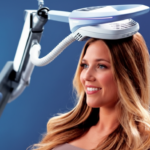
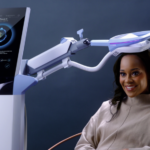
At BrainTune TMS, treatment is delivered using the Exomind system, an advanced TMS platform designed for precision, comfort, and efficiency.
How Does TMS Work for Depression?
Here’s a simplified breakdown:
- A magnetic coil is placed gently against your scalp.
- The device sends targeted magnetic pulses to the left dorsolateral prefrontal cortex.
- These pulses stimulate nerve cells and improve communication within mood-regulating circuits.
- Over time, this increased activity helps restore healthier brain function.
Sessions are typically:
- 15–20 minutes long
- Done 5 days per week
- Over a course of 4–6 weeks (sometimes longer, depending on individual needs)
Patients remain awake and alert during treatment. You can drive yourself home and return to normal activities immediately after.
How Effective Is TMS for Treatment-Resistant Depression?
This is the big question, and the answer is encouraging.
Clinical Response Rates
Research consistently shows:
- 50–60% of patients with treatment-resistant depression experience significant symptom improvement.
- About 30–40% achieve full remission, meaning their depressive symptoms largely disappear.
These are strong numbers, especially considering this population has not responded to multiple antidepressant trials.
TMS has been studied extensively and cleared by the FDA for major depressive disorder. Numerous peer-reviewed studies have validated its safety and effectiveness.
What Makes TMS Different from Medication?
Many people in Rancho Mirage exploring alternatives to medication ask how TMS compares.
Here’s how it stands apart:
1. Targeted Treatment
TMS stimulates a specific brain region rather than affecting the entire body.
2. Minimal Side Effects
The most common side effects are mild scalp discomfort or headache during early sessions. Serious side effects are rare.
3. No Daily Medication Commitment
You don’t have to remember to take a pill every day.
4. No Sedation or Anesthesia
Unlike ECT (Electroconvulsive Therapy), TMS does not require anesthesia and does not cause memory loss.
For patients who feel stuck in the cycle of medication adjustments, TMS therapy in Rancho Mirage, CA, offers a new pathway forward.
Why Technology Matters: The Exomind System
At BrainTune TMS, treatment is delivered using the Exomind machine, an advanced neuromodulation system designed for precision targeting and patient comfort.
The Exomind platform offers:
- Highly accurate coil positioning
- Consistent magnetic pulse delivery
- Optimized treatment protocols
- Enhanced patient experienceAdvanced systems like Exomind are engineered to maximize stimulation accuracy while improving comfort during sessions. That precision can play an important role in achieving optimal results.
Who Is a Good Candidate for TMS?
TMS may be a strong option if you:
-
- Have major depressive disorder
-
- Have tried at least two antidepressants without sufficient relief
-
- Cannot tolerate medication side effects
-
- Prefer a non-drug treatment option
-
- Are not interested in more invasive procedures
TMS is not typically recommended for individuals with certain implanted metallic devices in or near the head. A thorough consultation at BrainTune TMS will determine if you’re a candidate.
What Does TMS Feel Like?
Many patients are pleasantly surprised by how straightforward it is.
During treatment:
-
- You’ll sit comfortably in a chair.
-
- You may feel a tapping sensation on your scalp.
-
- Some people describe it as rhythmic pulses.
-
- Mild discomfort may occur during early sessions but usually subsides quickly.
There’s no downtime. You can go back to work, errands, or daily responsibilities immediately.
How Long Do TMS Results Last?
One of the most exciting aspects of TMS is its durability. Many patients experience long-lasting symptom relief. Studies show that:
-
- A significant number of patients maintain improvement for months to years.
-
- Booster sessions can be provided if symptoms return.
Because TMS works by helping “retrain” brain circuits, it can produce sustained changes rather than temporary symptom masking.
What If You’ve Tried Everything?
It’s common for people with treatment-resistant depression to feel like they’ve exhausted their options.
But TMS represents a fundamentally different approach. Instead of adjusting brain chemistry indirectly through medication, it directly stimulates underactive neural pathways.
TMS vs. Other Advanced Depression Treatments
You may also be considering other options like:
-
- Ketamine therapy
-
- Spravato (esketamine)
-
- Electroconvulsive Therapy (ECT)
Each has benefits, but TMS stands out for being:
-
- Non-invasive
-
- Medication-free
-
- Free from anesthesia
-
- Low-risk
-
- Clinically validated
For many patients, it offers a balanced middle ground between medication and more intensive procedures.
The Emotional Impact of Finding the Right Treatment
Depression doesn’t just affect mood. It affects relationships, work performance, motivation, physical health, and self-worth.
When people begin responding to TMS, they often report:
-
- Improved energy
-
- Better focus
-
- Renewed interest in activities
-
- Stabilized mood
-
- Greater sense of hope
While results vary from person to person, the potential for meaningful change is real, and that’s powerful.
What to Expect at BrainTune TMS in Rancho Mirage, CA
When you begin care at BrainTune TMS, the process typically includes:
-
- A comprehensive psychiatric evaluation
-
- Review of previous medication trials
-
- Discussion of treatment goals
-
- Mapping session to identify a precise stimulation target
-
- Customized treatment plan using the Exomind system
Frequently Asked Questions (FAQs)
1. How quickly does TMS start working?
Some patients begin noticing subtle improvements within 2–3 weeks. For others, it may take closer to 4–6 weeks. Depression improvement is often gradual rather than immediate.
2. Is TMS covered by insurance?
Many insurance plans cover TMS therapy for treatment-resistant depression when the criteria are met. Coverage typically requires documentation of previous medication trials. It’s best to verify directly with BrainTune TMS regarding your specific plan.
3. Are there any serious side effects?
TMS is generally very well tolerated. The most common side effects include mild scalp discomfort or headache. The risk of seizure is extremely low when proper screening protocols are followed.
4. Can I continue taking antidepressants during TMS?
Yes. Many patients continue their current medications during treatment. Your provider will guide you on what’s appropriate for your specific situation.
5. What happens if my depression returns after TMS?
Some individuals may benefit from booster sessions. Maintenance strategies can be discussed if symptoms reappear, and many patients respond well to follow-up treatments.
Take the Next Step Toward Relief
If you or a loved one is struggling and searching for effective TMS therapy in Rancho Mirage, CA, BrainTune TMS offers advanced care using the Exomind system in a supportive, patient-centered environment.
You don’t have to navigate treatment-resistant depression alone. A new approach may be closer than you think.
Reach out to BrainTune TMS today to schedule a consultation and explore whether TMS could help you move forward with clarity, energy, and renewed hope.

Hi, this is a comment.
To get started with moderating, editing, and deleting comments, please visit the Comments screen in the dashboard.
Commenter avatars come from Gravatar.